


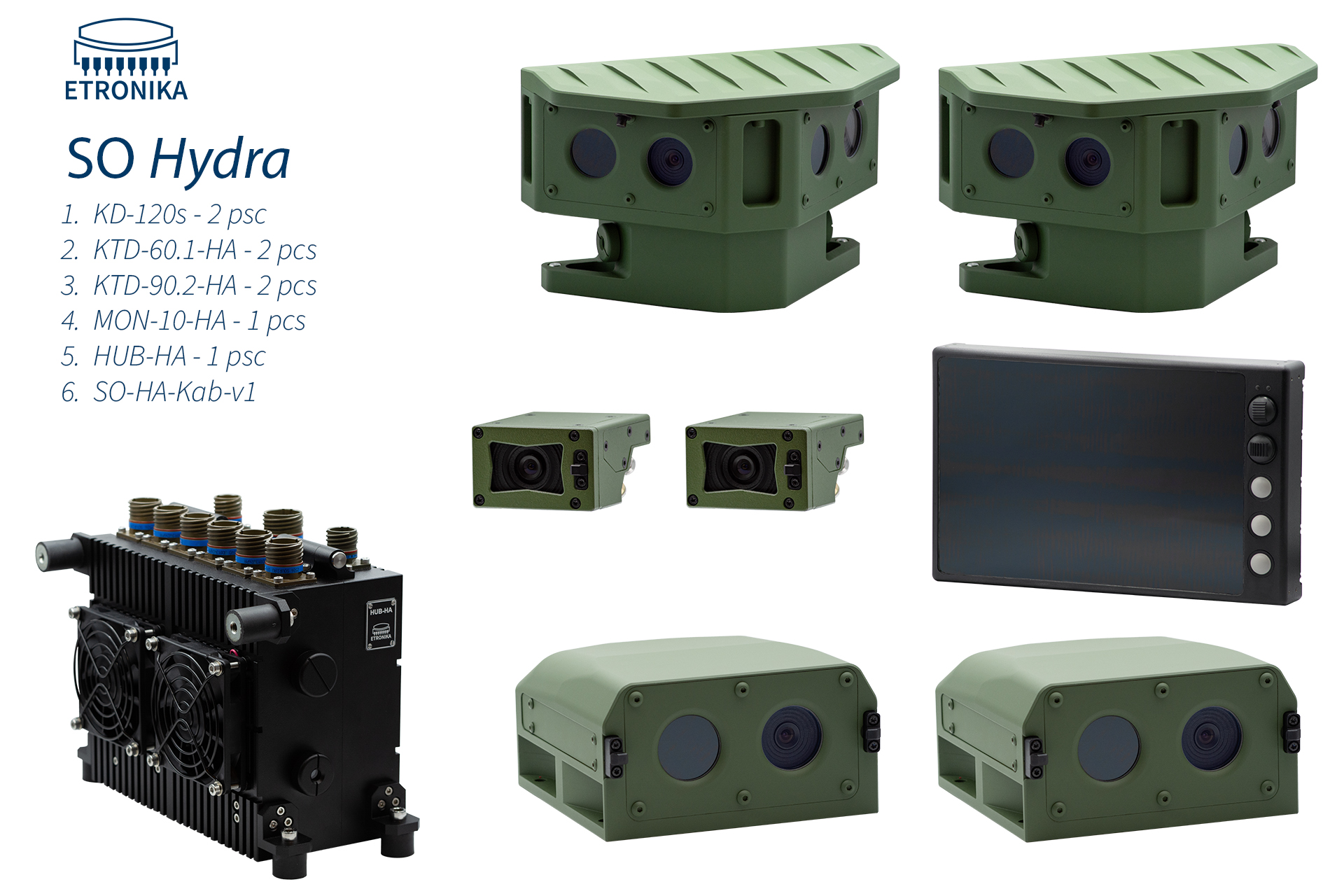
Situational awareness system SO Hydra is a complex optoelectronic system for visual observation of the surroundings of the vehicles, especially armoured or combat vehicles. It provides a 360-degree view of the vehicle’s surroundings using multiple daylight-thermal cameras to offer continuous monitoring and detection of potential targets, hazardous situations, and various obstacles.
The system consists of a collection of cameras providing simultaneous images in both visible and thermal ranges. Each camera may have one, two or three sets of complete daylight-thermal sensors. The horizontal field of view of each camera’s sensor set may be equal to 60° or 90°, which allows for achieving an even 270° horizontal field of view from a single, triple-sensor-set camera.
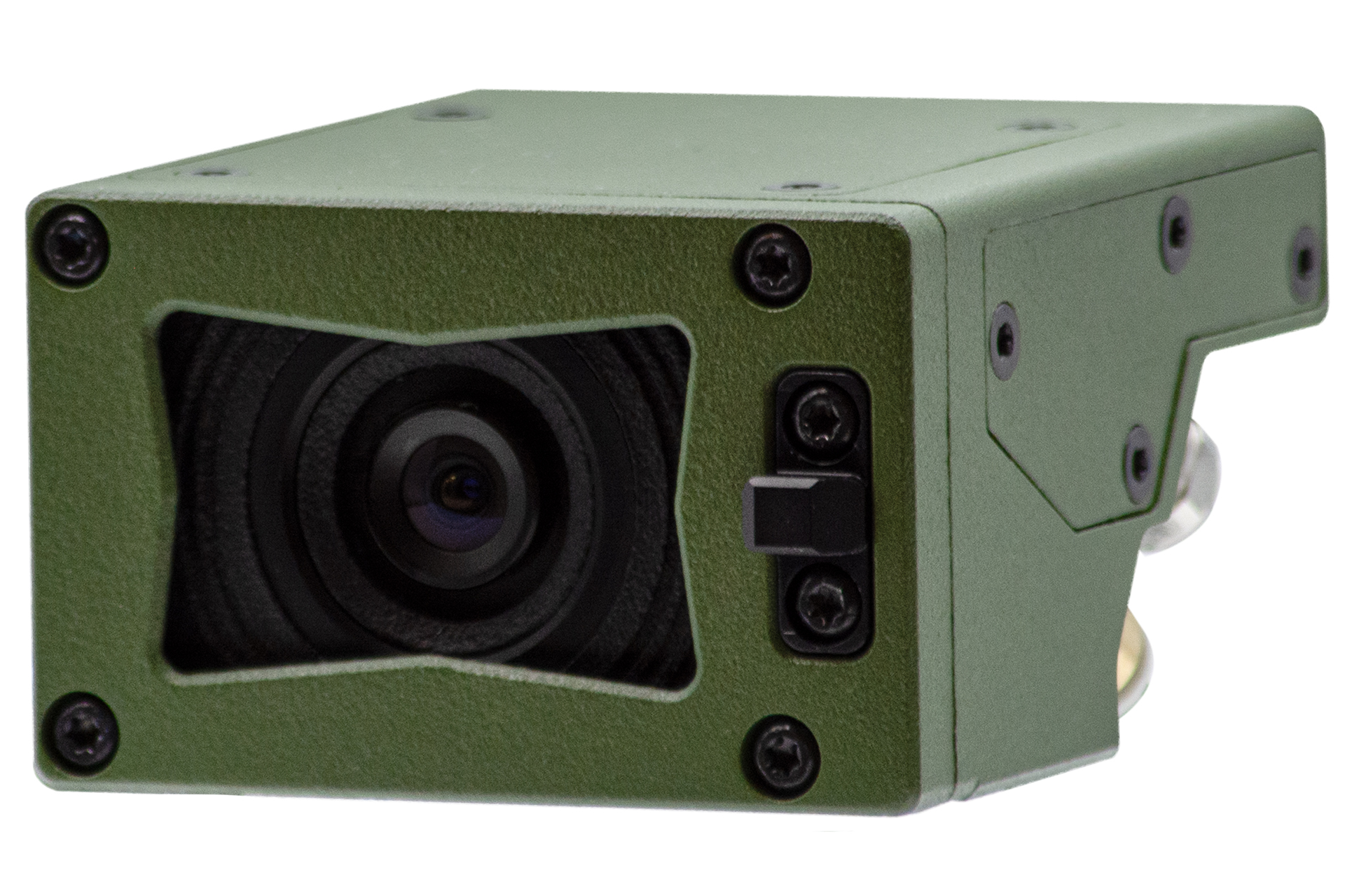
There is also a compact ultra-wide daylight camera, which is typically used as a rear camera and provides an astonishing 120° horizontal field of view.
Each camera, regardless of the number of sensor sets it contains, provides a separate digital video output signal for each sensor in the FPD-Link III standard. The communication with the camera is supplied by CAN 2.0B or EIA/TIA-485 bus. Every camera has hermetic housing, heated entrance windows, and windshield washer fluid sprinklers.
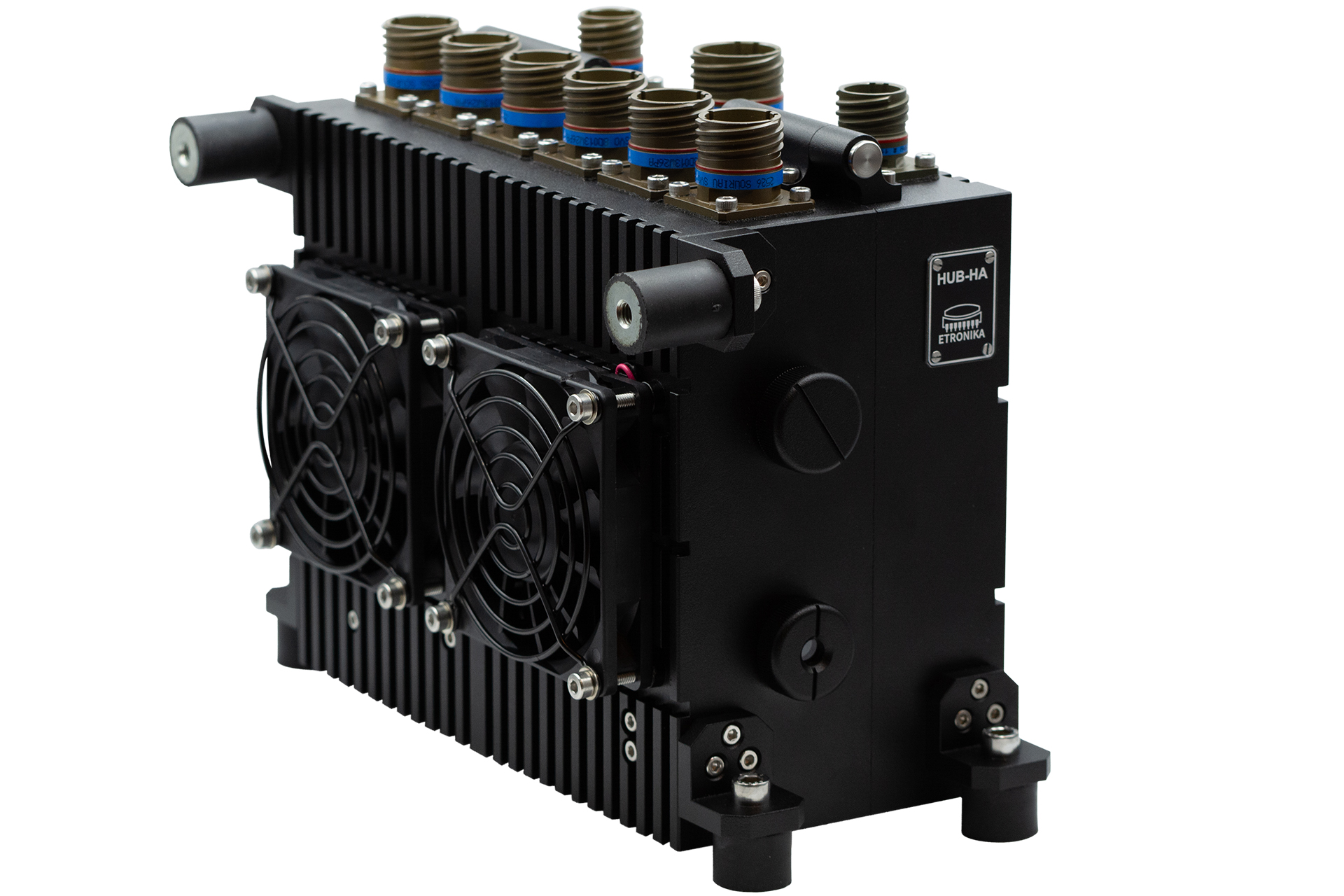
The system, except for the cameras, contains an hub. The hub is a key component of the system, acquiring and processing video signals from all cameras on the vehicle. It can simultaneously service up to 24 sensors, regardless of their allocation in particular cameras.
The device may connect with the rest of the vehicle systems both with CAN 2.0B bus and Ethernet connection. The other one allows for video streaming to the rest of the vehicle’s systems. There is also an HDMI or DP video output port for connecting an external monitor, as well as multiple USB ports for connecting many additional devices, like keyboards or USB sticks.
The hub manages and supplies all cameras and may control other vehicle subsystems, thanks to additional I/O pins that can control washer fluid pumps, fans, and other components.
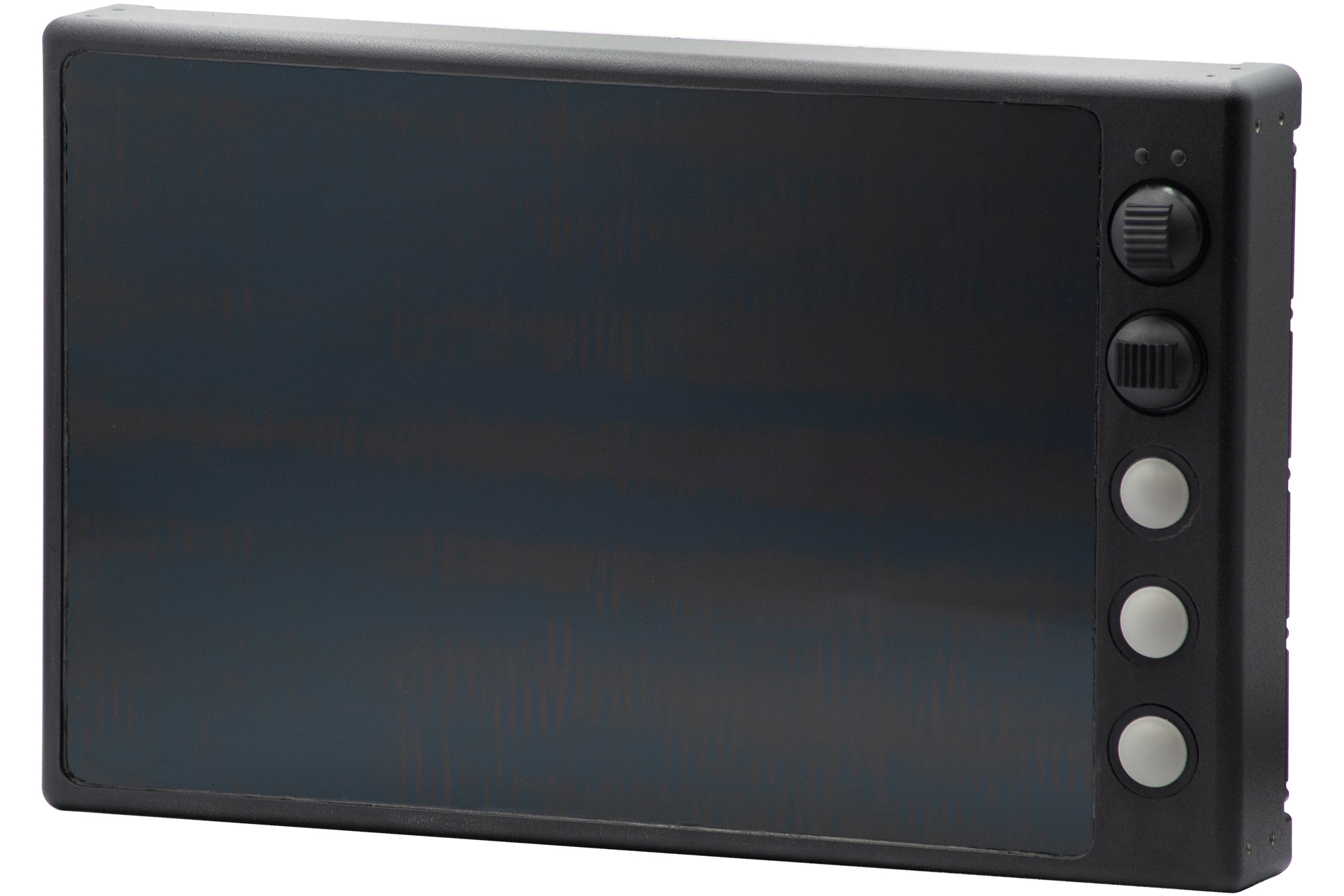
A dedicated monitor complements the whole system. It allows for displaying images from particular sensors or multiple sensors simultaneously in various modes, such as PiP, PbP, or panoramic view. Physical buttonsand a touch screen, combined with an intuitive OSD, provide a convenient method of controlling each element of the system.
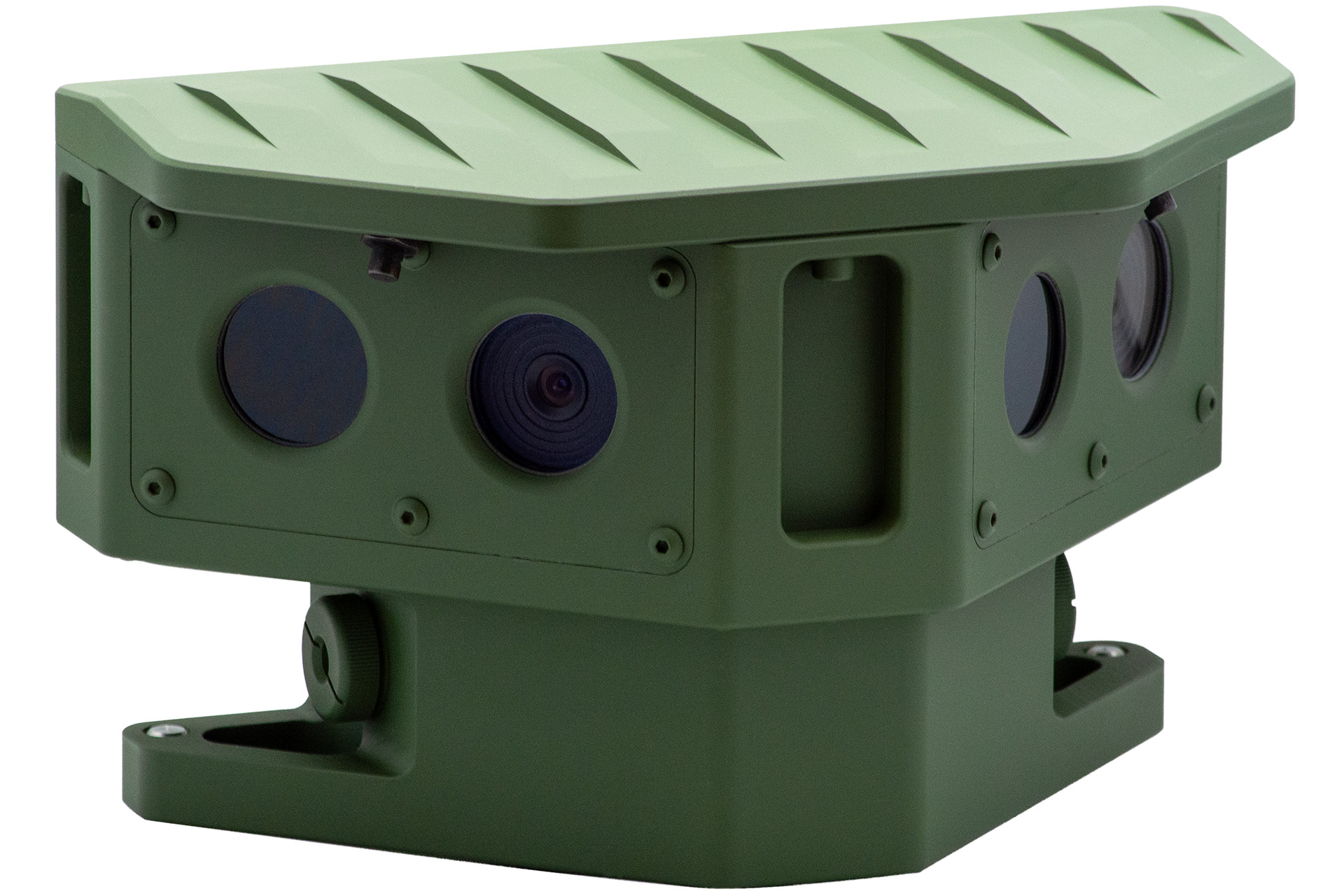
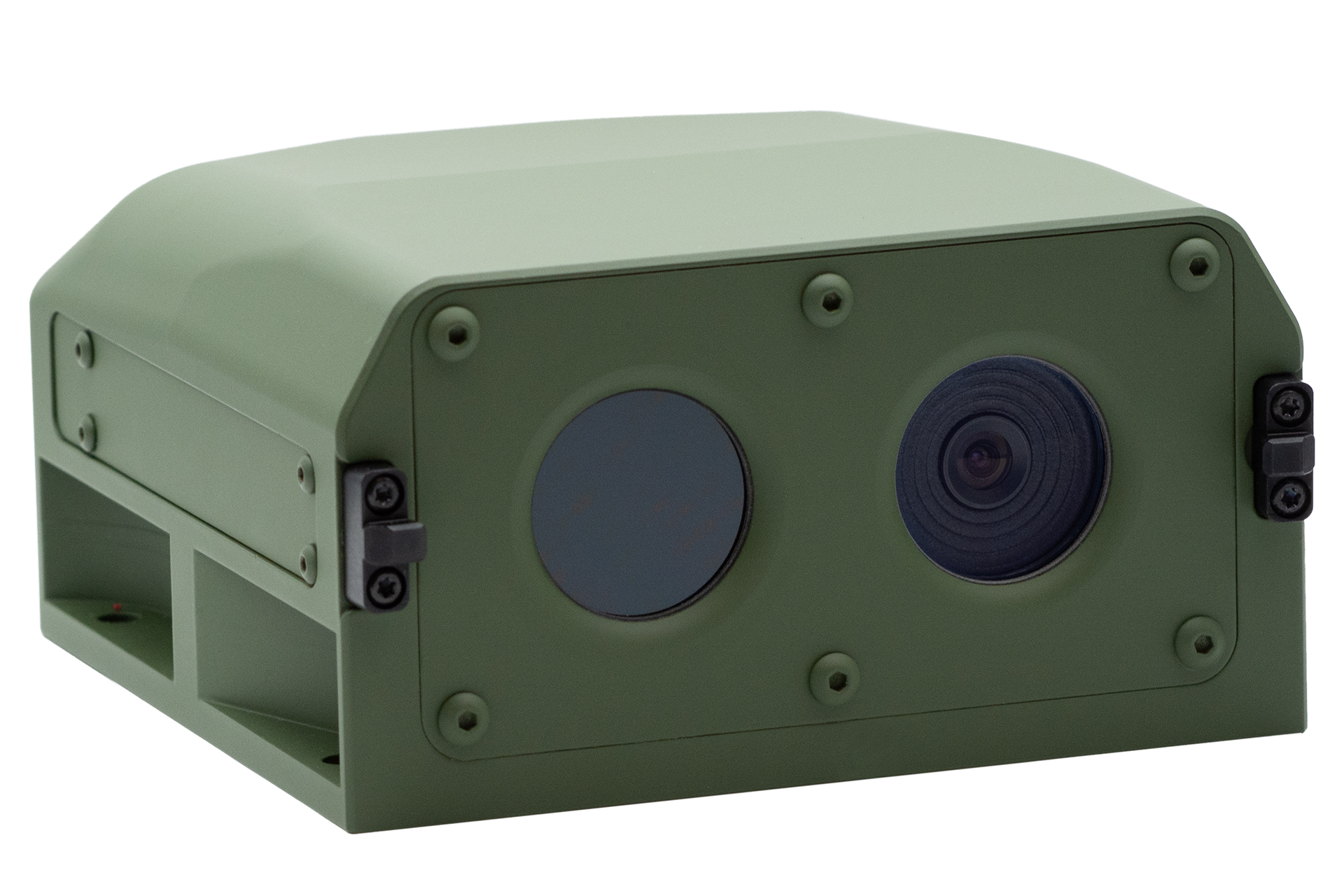
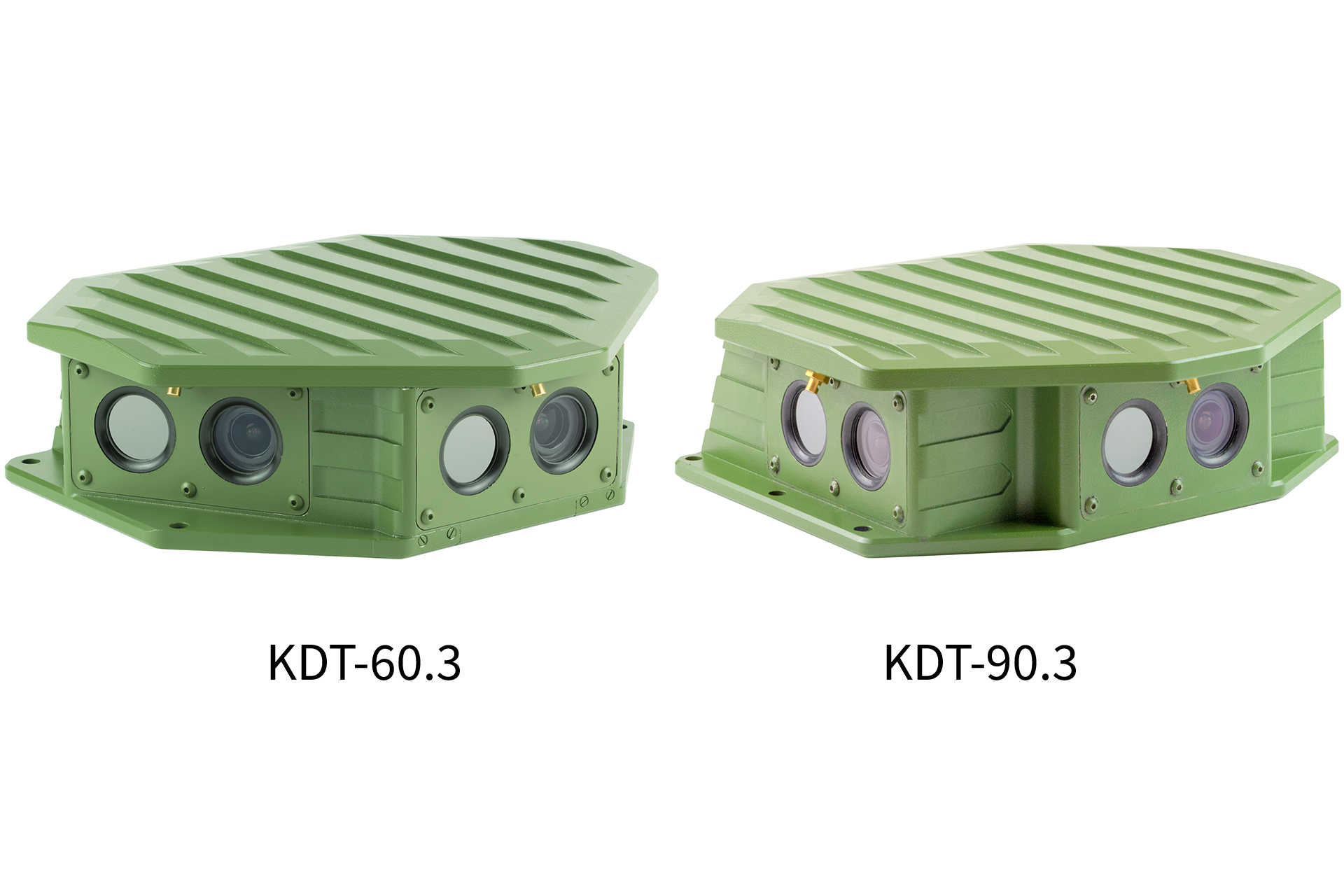
| Cameras main parameters | SO Hydra |
|---|---|
| Thermal sensor (IR) | |
| Detector | uncooled bolometric FPA |
| Resolution | 640 × 480 px |
| Pixel size | 17 μm |
| Spectral range | 8–12 μm |
| Sensitivity | NEDT < 25 mK |
| Daylight sensor (TV) | |
| Detector | CMOS 1/2.6″ colour sensor |
| Resolution | 1920 × 1200 px |
| Pixel size | 3 μm |
| Total camera field of view | |
| Single | 60° or 90°, 120° for rear camera |
| Dual | 180° (2 × 90°) |
| Triple | 180° (3 × 60°) or 270° (3 × 90°) |
| Video and control | |
| Video output | digital FPD-Link III or optional analogue CVBS PAL |
| Control interface | CAN 2.0B or EIA/TIA-485 bus |
| Supply | |
| Supply voltage | 15–36 VDC, nominal 24 VDC |
| Environmental parameters | |
| Operating temperature | −40°C to 85°C |
| Ingress protection | IP67 |
| Other | heated windows, integrated sprinklers |
| Hub main parameters | |
| Video | |
| Inputs | up to eight independent FPD-Link III inputs, up to 24 camera video streams |
| Outputs | up to two DP++ outputs (compatible with HDMI® 1.4 or DP 1.2) |
| Communication interfaces | |
| Serial | four RS-232/422/485 ports |
| USB | two USB 3.1 and USB 2.0 ports |
| CAN | two CAN 2.0B ports (one optoisolated) |
| Network | Gigabit Ethernet port |
| I/O | up to twelve programmable I/O signals |
| Electrical parameters | |
| Supply voltage | 12 V or 24 V from vehicle power network |
| Environmental parameters | |
| Operating temperature | −40°C to 85°C |
| Ingress protection | IP67 |
Download:
